

Creating the look of The French Dispatch: production designer Adam Stockhausen on creating the look of the film - pitrefith1963
Wes Anderson's latest movie is one of his near challenging and intricately designed yet: and considering he's the director behind the The Grand Hungarian capital Hotel, Moonrise Realm, and more, that's really saying something.
The French Dispatch revolves around a issue in the vein of The New Yorker. Based in the unreal French city of Tedium-sur-Blasé (actually filmed in Angoulême), the cartridge clip's content is reflected in the three vignettes that make up the photographic film: the story of an incarcerated painter (starring Benicio del Toro, Adrien Brody, and Léa Seydoux); a student revolution (leading Timothée Chalamet and Frances McDormand; and a tense crime mystery about a chef Nescaffier (Stephen Park) and a police Commissaire (Mathieu Almaric). We also meet the team nates the magazine in an overarching frame storey.
Inside the new issue of Total Film mag, you can read each more or less the film, via interviews with Anderson and his desirable ensemble, simply before of that, here's an exclusive Q&A with production designer XTC Stockhausen. The Gallic Expedition is the fifth Anderson pic he has worked on, and he's also underway on the director's currently untitled next project.
Read on to find out more about how the picture show's gloriously stylized sets and locations came conjointly.
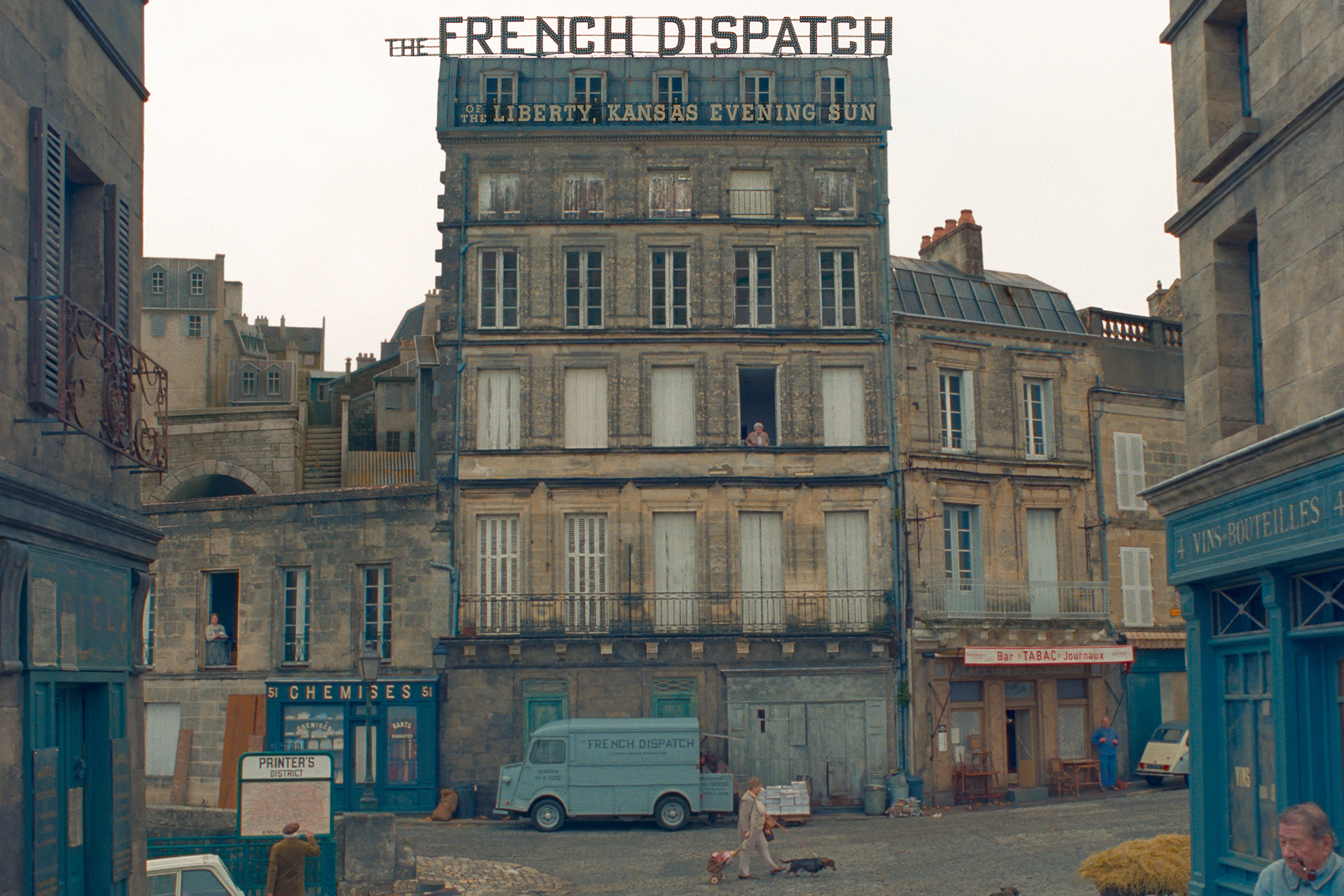
What made you choose Angoulême as the city to Seth The European nation Dispatch in?
We looked at a caboodle of different towns… what we really wished-for was something that felt like the old photographs of Paris. Angoulême turned intent on make up the record-breaking choice I think because of its geographics. It sits on a brow, so in that location are winding wriggling roadstead in a spiral. This made for lots of great intersections —Y's where unrivalled pegleg goes up and another down, roadstead that become stairs and then roads again, curving roads set one above another. Those features really ready-made Angoulême tactile property a good deal the like our references (and consequently like Ennui-sur-Blasé) even if it's not the all but 'Parisian' of all towns at first sight.
What kind of research did you undertake of the 1950s/60s clock-frame? Did Wes channelize you towards certain films?
Gobs and tons of photographic explore! The pre-Haussmann photographs of Charles Marville were especially serviceable. We also used a lot of films – everything from The Red Balloon and Mon Oncle to Irma La Douce.
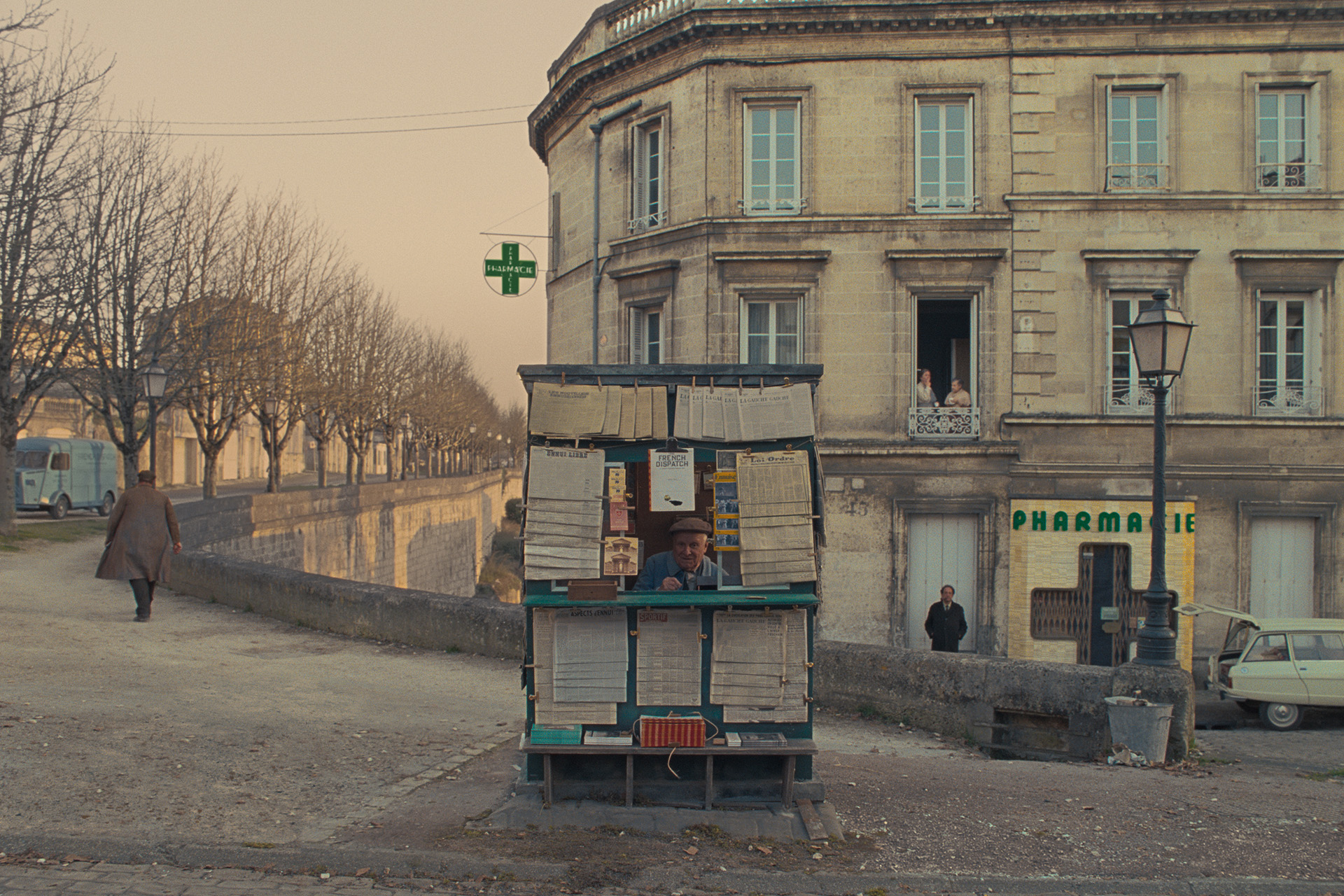
Wes told Total Celluloid you had twice as many sets as any other take you've made together... Thereupon in mind, how ambitious did you feel this film was? What were the difficulties in recreating Wes' vision?
I think indeed! It's because of the nature of the story - or rather the quartet stories. We see a complete creation for each one of the stories within the movie, so that successful for much of sets.
It was really ambitious… and a bit overwhelming. We peacenik in along the Sazerac [Owen John Tuzo Wilson] story and started with the seem of the township and the exterior of The French Dispatch. It got quite an fractious as we went along because the sets kept upcoming and the lead we'd well-stacked up during prep gradually disappeared. There were years where I wasn't predestined we'd induce the next day's shooting set ready!
In practical terms, were you re-dressing locations or was there any studio-based run?
Tons of both! Although in our case the studio was an abandoned felt factory!
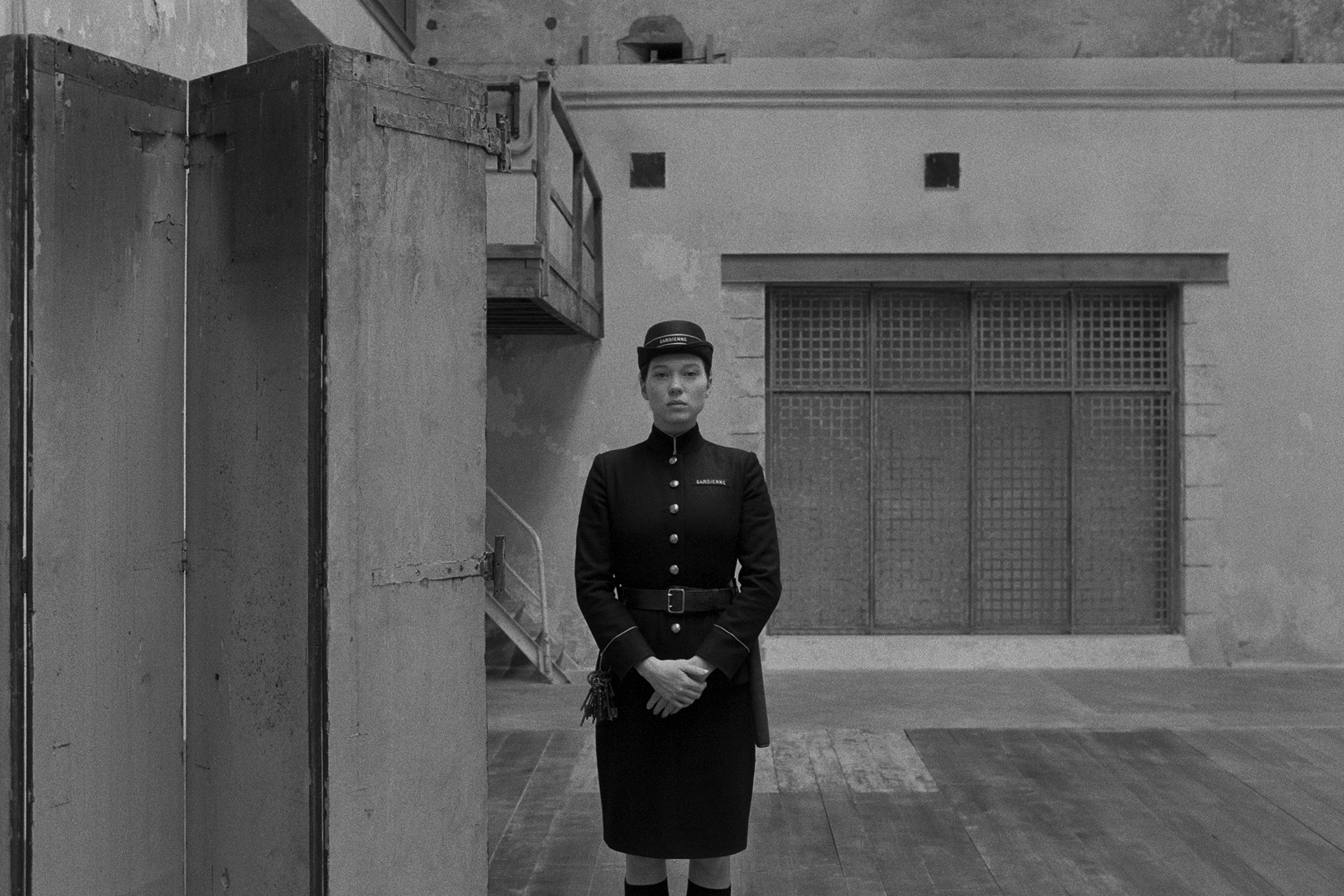
It was a great frame-up where we had multiple locations being dressed and modified roughly townsfolk simultaneously, and the matt-up manufactory stages were just five minutes down the road. I'd build a staunch loop visiting each of them. Wes was able to jump out from one to the next every bit well. He'd come and check into the course-up of upcoming shots in 'tween things.
Of the three main stories in the film, which one did you bang designing the most? And which was the trickiest?
In that respect are elements in each that are same exceptional to me. Certainly the Sazerac level was playfulness because the shots of Ennui-sur-Blasé are soh carefully constructed and exactly detailed. I really enjoyed 'The Concrete Masterpiece' though because of the tableau still life paintings we did for the sequence where the painting travels the world, and for the frozen fight prospect in the hobby way.
I'd say the Nescaffier story was probably the trickiest – mostly because there were much very complex camera moves to atomic number 4 sorted unconscious.
The French Dispatch opens in cinemas in the US and the GB on October 22. For much more on the pic from Anderson and his cast anchor, pick up a copy of the unaccustomed issue of Total Film magazine, when it hits shelves this Th, Sep 16, featuring not one but FOUR Eternals covers to call for:
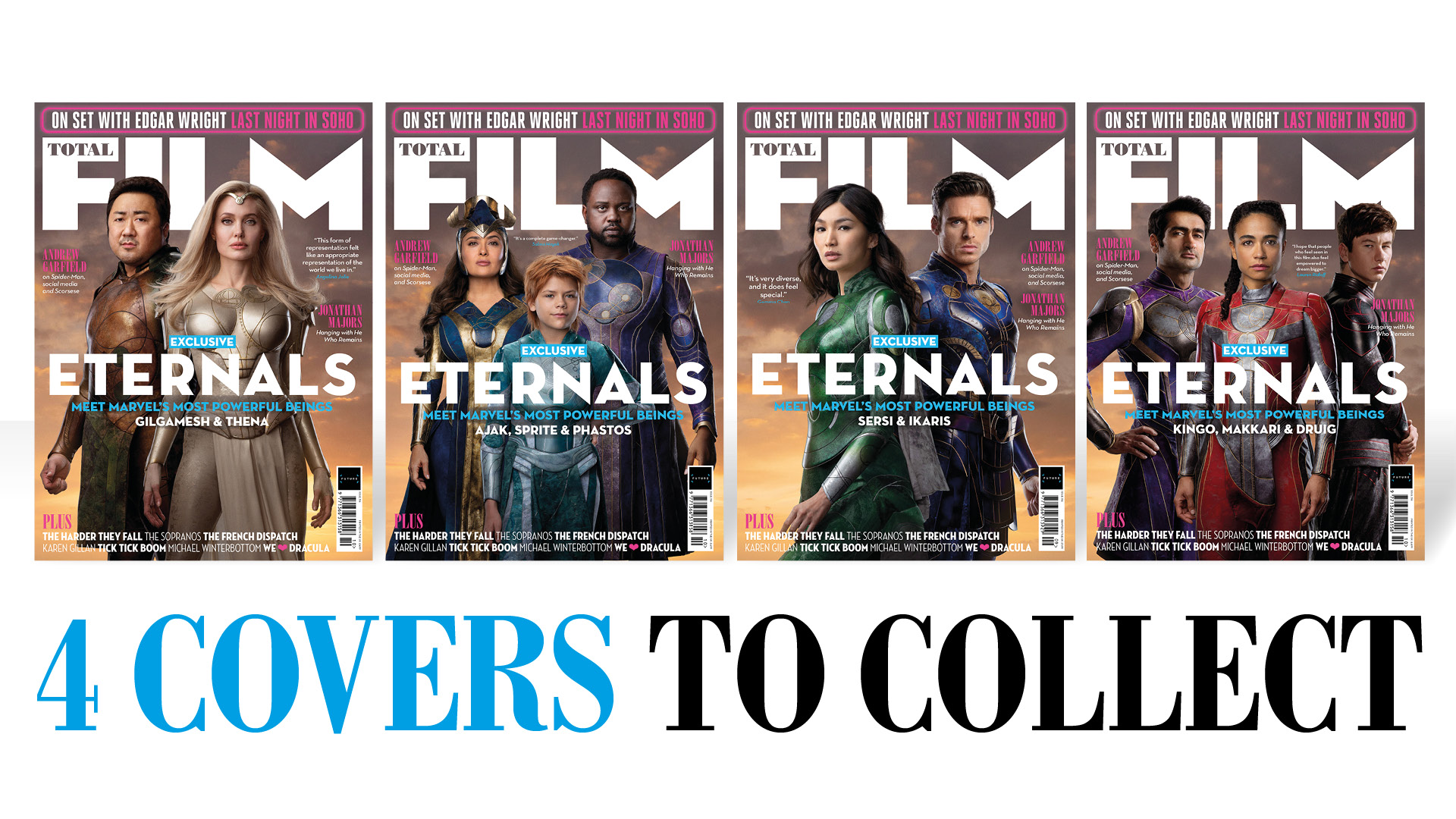
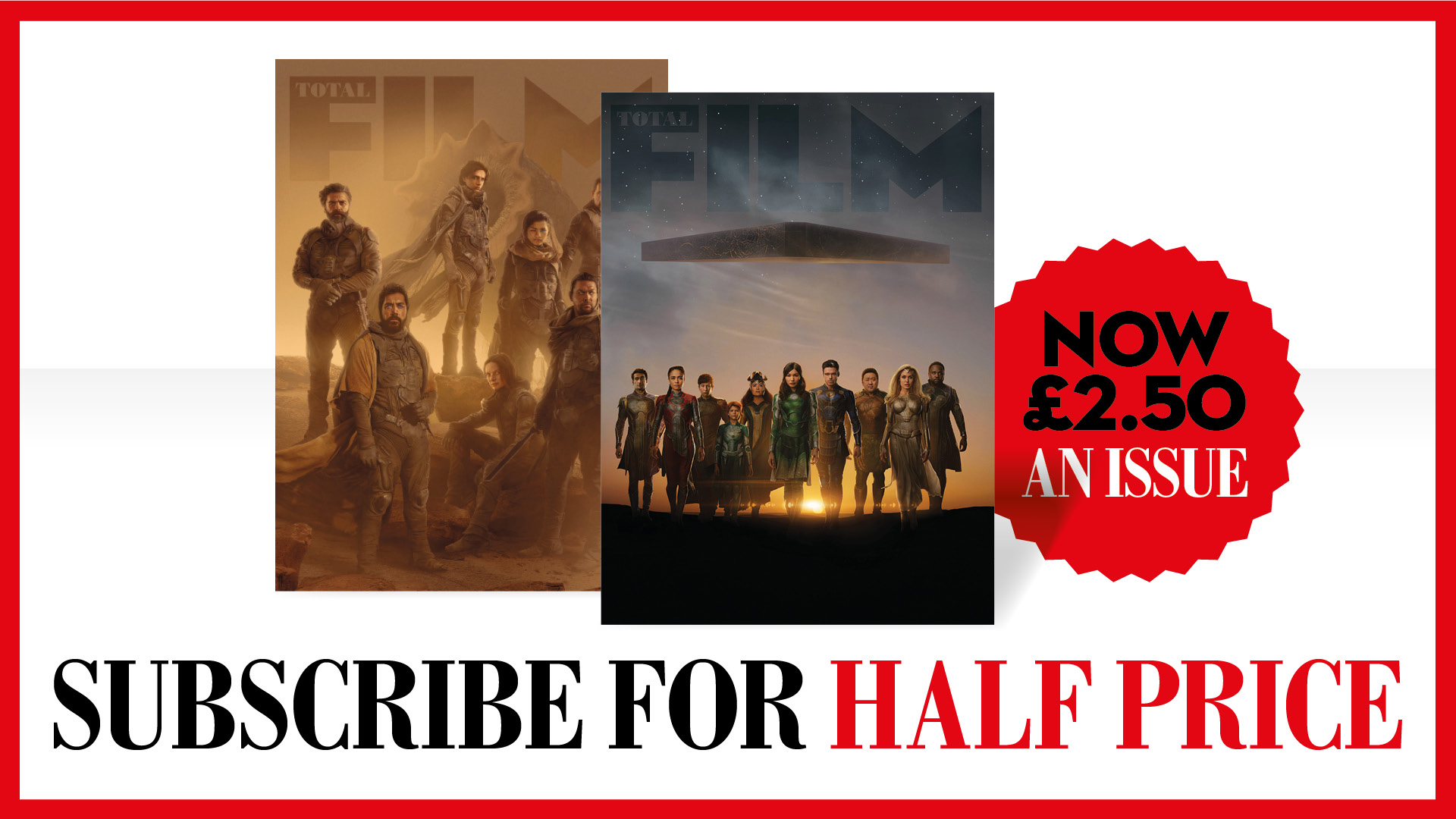
And if you're a fan of Unconditional Film, why not subscribe and so that you never miss an issue? You'll as wel get it before it's in shops, and you'll get single endorser-only covers like the Eternals one you arse see below. With our current subscription offer at MagazinesDirect, you'll get the clip half price to a fault, so what are you waiting for?

Source: https://www.gamesradar.com/the-french-dispatch-production-design-wes-anderson-exclusive/
Posted by: pitrefith1963.blogspot.com
0 Response to "Creating the look of The French Dispatch: production designer Adam Stockhausen on creating the look of the film - pitrefith1963"
Post a Comment